
Zuluk Hamlet in Sikkim: A Complete Travel Guide to the Old Silk Route
You know that feeling when you find a place that feels like a secret? That’s Zuluk.
While everyone else is busy fighting the crowds in Gangtok or Darjeeling, there’s a tiny, spiralling road in the Eastern Himalayas that leads somewhere quieter. Somewhere raw. Zuluk Hamlet in Sikkim. It isn’t just another hill station; it’s a living, breathing time capsule perched on the legendary Old Silk Route, where the air is thin, the silence is heavy, and the only traffic you’re likely to face is a wandering yak. Seriously, the view from the Thambi View Point alone will make you forget the bumpy ride it took to get there.
If you’re ready to trade luxury for history and chaotic cities for 32 dizzying hairpin bends, you’re in the right place. Let’s break down exactly how to plan this trip without getting lost.
You might also like the Ziro Valley Arunachal Pradesh
Table of Contents
Where Is Zuluk Hamlet Located?
You won’t stumble upon Zuluk by accident. It is hidden away in the rugged terrain of East Sikkim (specifically in the Pakyong District), clinging to the mountainside at a dizzying altitude of roughly 9,400 feet (2,865 meters).
Think of it as the gateway to the high-altitude frontier.
Geographically, it sits right on the historic Old Silk Route—the ancient trade path that once connected India to Tibet. It’s about 90 kilometers from Gangtok and roughly 160 kilometers from Bagdogra/NJP, but don’t let the distance fool you. Because of the winding, steep roads, reaching this remote hamlet is a journey in itself, taking you closer and closer to the Indo-China border.
It’s remote, it’s high up, and it’s perfectly positioned to give you those panoramic views of the Kanchenjunga range that everyone talks about.
History of Zuluk Hamlet and the Old Silk Route
Centuries ago, Zuluk was a crucial transit point on one of the world’s most dangerous and lucrative trade arteries—the Silk Route connecting Lhasa (Tibet) to Kalimpong (India). Back then, you wouldn’t see tourists in SUVs. You’d see caravans of traders, mules, and yaks, heavily loaded with silk, wool, spices, and tea, trudging up the steep slopes toward the Jelep La Pass.
Zuluk was their rest stop. A place to catch a breath before the brutal climb into Tibet.
This bustling trade came to a sudden halt after the 1962 Sino-Indian War, when the border was sealed. For decades, the route remained silent, used only by the Indian Army to guard the frontier. Today, while the traders are gone, the road remains—a winding, living museum of a time when this tiny hamlet connected two massive civilizations.
How to Reach Zuluk Hamlet
1. By Air: The "Safe" vs. "Risky" Option
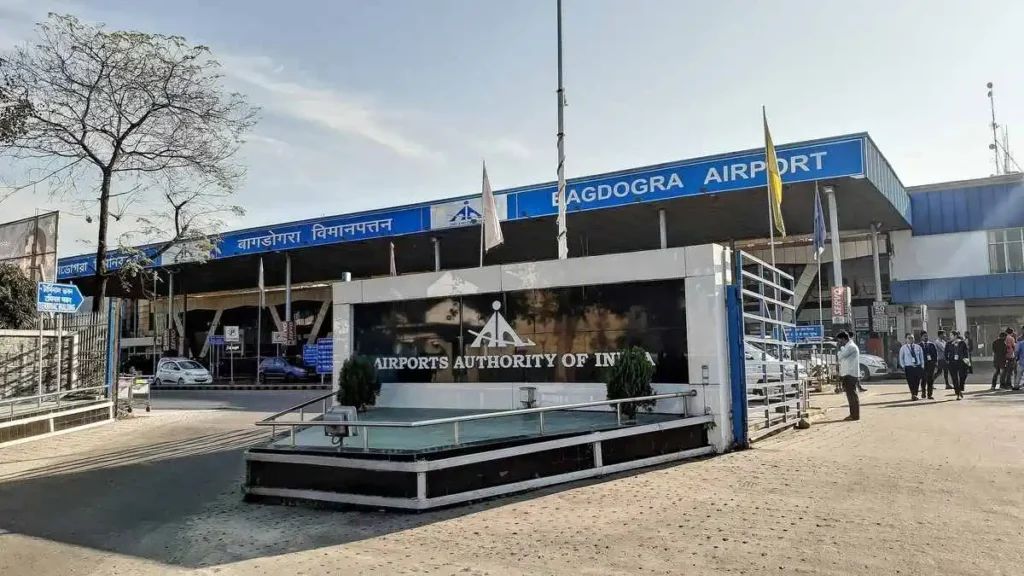
- The Reliable Way: Fly into Bagdogra Airport (IXB) in West Bengal. It connects to all major Indian cities (Delhi, Kolkata, Mumbai) and rarely gets cancelled due to weather. From here, Zuluk is a 7–8 hour drive.
- The “If You’re Lucky” Way: You can fly into Pakyong Airport (PYG), which is much closer (only about 4 hours from Zuluk). But here’s the catch: Flights here are notorious for getting cancelled at the last minute due to cloud cover. If you are on a tight schedule, stick to Bagdogra.
2. By Train: The Classic Route
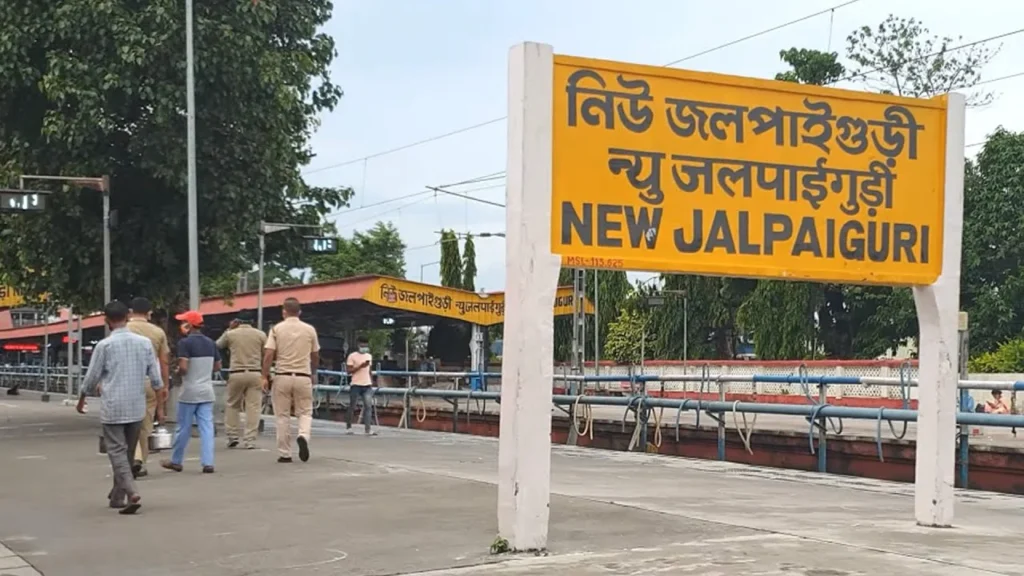
If you love trains, book a ticket to New Jalpaiguri (NJP). It serves as the gateway to the entire North East. Once you step off the train, the chaos of taxi drivers will greet you—this is where your road trip begins.
3. The Road Trip (Where the Adventure Starts)
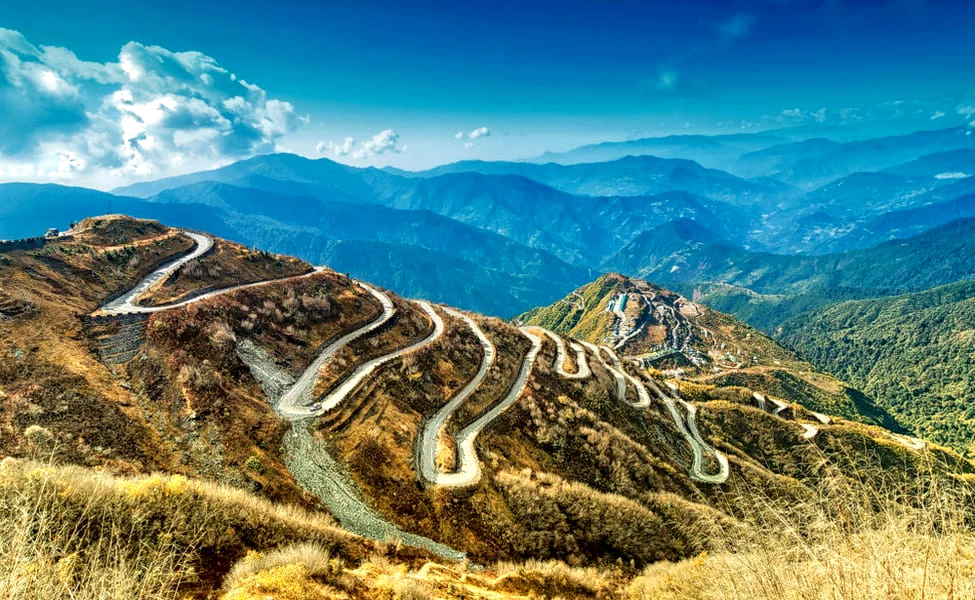
This is the only way to actually reach the hamlet. You generally have two route options, but for Zuluk, Route B is far better:
- Route A (Via Gangtok): You go to Gangtok first, stay the night, and then head to Zuluk via Tsomgo Lake and Baba Mandir.
- Why avoid it? It takes longer, and you hit heavy tourist traffic at Tsomgo Lake.
- Route B (Via Rongli – Recommended): This is the direct backdoor entry. You drive from Siliguri/NJP -> Kalimpong -> Rongli -> Zuluk. It’s faster, scenic, and you get your permits sorted easily at the Rongli Checkpost.
Permit Requirements for Zuluk Hamlet in Sikkim
Let’s be real: The permit process for Sikkim can be confusing, but for Zuluk, it is strictly military-controlled. If you don’t have the right stamp on your paper, the Army check post will turn you back.
Here is exactly what you need to know, broken down by who you are.
1. For Indian Nationals
You cannot just show up. You need a Protected Area Permit (PAP).
Where to get it:
- The Smart Way (Rongli Route): If you are going directly to Zuluk, get your permit at the Rongli SDPO Office. It is faster, less crowded, and on the way.
- The Long Way (Gangtok Route): If you are starting from Gangtok, you have to get it from the Gangtok Tourism Office (MG Marg) or through a travel agent a day in advance.
Documents You MUST Carry:
- ID Proof: Voter ID Card, Passport, or Driving License.
- Photos: 2 to 4 Passport-size photos (keep extra just in case).
- The “No-Go” Card: Do NOT rely on your Aadhaar Card. For some reason, the Army check posts often do not accept Aadhaar as a valid permit document for border areas. Stick to Voter ID or Passport.
2. For Foreign Nationals
I have some bad news. Zuluk is currently off-limits for foreign tourists.
Because Zuluk is extremely close to the Tibetan border (China), the Indian government does not issue permits for foreigners to visit this specific hamlet or the Nathang Valley.
What you CAN do: You can visit Tsomgo Lake (from Gangtok) if you are in a group of two or more, but you cannot proceed further toward Zuluk.
3. The "Vehicle" Rule
You generally cannot take your own private car (white plate) or a self-drive rental.
- You need a Sikkim-registered commercial vehicle (Yellow Plate).
- The driver needs to be a local who is registered to drive on the Silk Route.
- Bikers: If you are on a motorbike, you need a specific permit for the bike as well, and you generally cannot ride solo; you need a group or a backup vehicle.
Insider Tip: Get your permits sorted at Rongli before 2:00 PM. The office closes, and if you miss the window, you are stuck in the lower valley for the night.
Best Time to Visit Zuluk Hamlet
The best time to visit Zuluk Hamlet depends on what you want from the trip. Some people come for clear skies. Others come for snow. And a few just want that quiet mountain feeling.
March to May is when Zuluk feels calm and welcoming. Days are cool, the sun is gentle, and the views stretch far and wide. Perfect for slow walks and long tea breaks. September to early December is another sweet spot. The monsoon has washed everything clean, the air feels fresh, and the mountains look sharper than ever.
Winter, from late December to February, is a different story. Beautiful, yes. But also harsh. Snowfall can block roads, nights turn freezing, and plans often change without warning. As for June to August, it’s best to skip it. Heavy rain, fog, and landslides make travel difficult and stressful.
If you want Zuluk at its best—easy roads, clear views, and peaceful days—spring and post-monsoon are the safest and most rewarding times to go.
Travel Tips for Visiting Zuluk Hamlet in Sikkim
1. Cash is King: Do not rely on UPI or credit cards. There are no ATMs in Zuluk, and the internet is too spotty for digital payments. Withdraw enough cash at Rongli or Gangtok to cover your homestay, food, and permits.
2. Respect the Altitude: You are gaining height rapidly. If you rush, Acute Mountain Sickness (AMS) can hit you hard. Drink plenty of water, walk slowly, and don’t skip a meal.
3. Pack for the Freeze: The weather here changes in minutes. Even if you visit in summer, the nights get bone-chillingly cold. Layering is key—bring heavy woollens, thermals, and a windproof jacket.
4. Network is a Luxury: Expect to be offline. BSNL and Jio sometimes work, but the signals are weak and often vanish. Download offline maps and inform your family about your location before you ascend.
5. Fuel Up Early: There are no petrol pumps in Zuluk or the immediate vicinity. Fill your tank to the brim at Rongli or Padamchen; running out of fuel here is a nightmare you want to avoid.
6. Prepare for the Curves: The 32 hairpin bends are famous for a reason—they will churn your stomach. If you are prone to motion sickness, take medication an hour before the drive starts.
Conclusion
Zuluk isn’t just a destination; it’s a mood. It demands effort to reach, and it tests your patience with its winding roads and freezing winds. But the reward? A silence so deep you can hear your own thoughts and a sunrise that feels like it’s just for you.
If you are looking for a comfortable retreat with room service and heated pools, look elsewhere. But if you want to stand where history once marched and feel the raw, unfiltered power of the Himalayas, pack your bags. The Old Silk Route is waiting—just make sure you get there before the rest of the world finds out about it.
Here you can also check the Best hill stations to visit in India
Frequently Asked Questions (FAQs) about Zuluk Hamlet in Sikkim
1. Can I drive my own car to Zuluk?
Technically, yes, but it is a headache. You need specific vehicle permits, and the mountain roads are unforgiving if you aren’t used to them. It is far easier—and safer—to hire a local driver from Rongli or Siliguri who knows the terrain inside out.
2. Is Zuluk safe for children and elderly people?
It depends on their health. Zuluk sits at 9,400 feet, and nearby spots like Nathang Valley go even higher (13,500 feet). If they have asthma, heart issues, or breathing difficulties, the low oxygen levels can be dangerous. Consult a doctor before booking.
3. How many days do I need for a Zuluk trip?
Don’t rush it. While you can do it in one night, a 2-night itinerary is best. This gives you enough time to explore the Zig-Zag Road, Nathang Valley, and Kupup Lake without spending your entire vacation stuck inside a car.
4. Will I find ATMs or fancy hotels there?
No and no. Zuluk is a village, not a resort town. You will stay in basic, cosy homestays run by local families. As for money, bring cash from the plains. There are no ATMs here, and digital payments almost never work.
5. What kind of food is available?
Keep your expectations simple. You won’t find fast food or extensive menus. You will get fresh, home-cooked meals—usually rice, dal, sabzi, and eggs. It is basic, hot, and exactly what you need in the cold.
6. Can I continue to Gangtok from Zuluk?
Yes, and this is actually the best way to do it. It is called the “Silk Route Loop.” Instead of driving back down the same way you came (via Rongli), you keep driving up towards Nathang Valley, pass the famous Baba Mandir and Tsomgo Lake, and finish your trip in Gangtok. This saves time and ensures you don’t have to look at the same scenery twice.