
Adi Kailash Yatra 2026: Full Guide, Permit & Road Status
Planning a trip to the divine Himalayas this year? If you are looking for details on the Adi Kailash Yatra 2026, you have probably realised one thing: finding accurate and up-to-date information is quite a challenge.
Gone are the days when this yatra required a tough trek for days. With new infrastructure, the roads have now reached closer to the peaks, making the journey accessible even for seniors and families. However, questions about the current road status, the online permit process, and the best route still confuse many travellers.
In this guide, we will clear all your doubts. From the day-wise itinerary (covering Om Parvat) to the estimated budget and vehicle requirements, here is everything you need to know to plan a safe and memorable trip.
You might also like How to Reach Chopta
Best Time for Adi Kailash Yatra 2026
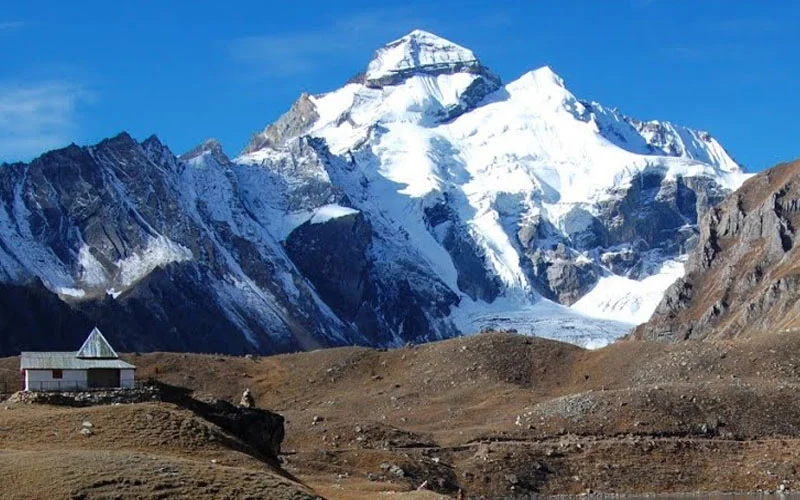
Choosing the right time is the most critical part of this trip. Since this region is located at a high altitude in the Himalayas, the weather can change in minutes.
For a safe and enjoyable journey in 2026, you essentially have two main windows to plan your trip. The rest of the year, the routes are either blocked by snow or unsafe due to rain.
1. The Summer Window (Mid-May to June)
This is the most popular time to visit.
- Why go now: The roads usually open up by mid-May. You will likely see walls of snow on the roadside near Gunji and Jolingkong, which makes for amazing photos. The weather is pleasant during the day, making travel less tiring.
- What to expect: A bit of a crowd, as this is the peak season.
2. The Autumn Window (September to Mid-October)
If you are a photographer or someone who loves crystal-clear mountain views, this is your time.
- Why go now: The monsoon rains wash away the dust, leaving the air crisp and clean. The views of the Om Parvat and Adi Kailash peaks are the sharpest during these months.
- What to expect: It starts getting significantly colder, especially at night. You will need heavy woollens, but the golden autumn landscapes are worth it.
When Should You Avoid? (The Danger Zone)
- July and August (Monsoon): Strictly avoid these months. The route to Dharchula and beyond is prone to heavy landslides and cloudbursts. Roads often get blocked for days, leaving tourists stranded.
- November to April (Winter): The region receives heavy snowfall, and the roads are completely closed by the army. The yatra is not operational during this period.
My Recommendation: For the best experience in 2026, try to plan your trip for late September. You get the best roads (repaired after rains) and the clearest views of the holy peaks.
How to Reach Adi Kailash from Delhi
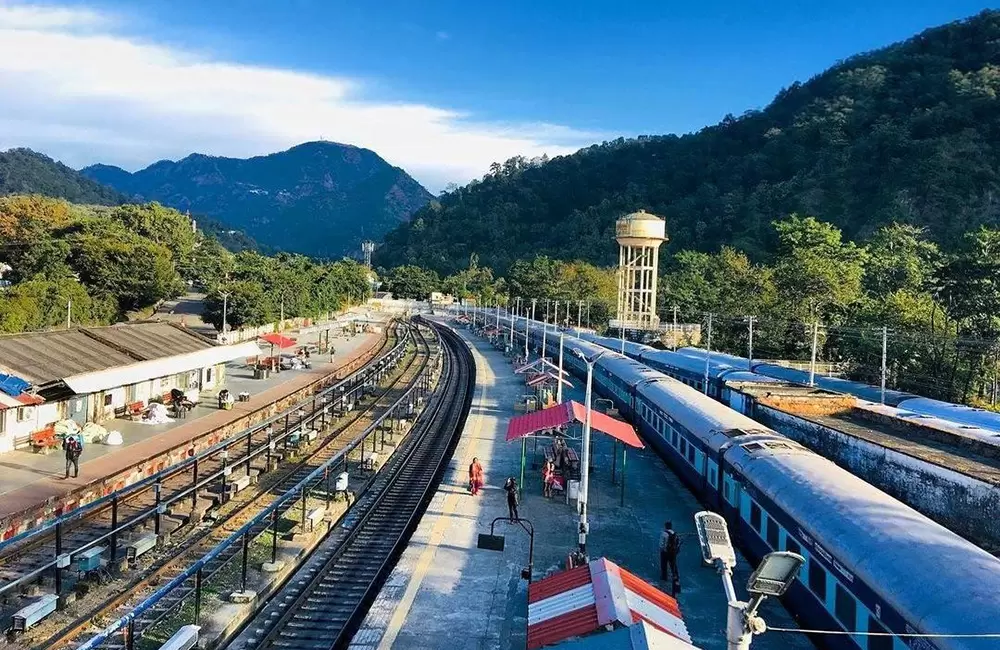
1. By Train (The Most Comfortable Option)
This is the most popular choice for travellers. You have two railway stations to choose from:
- Option A: Kathgodam railway station (The Popular Choice) Most tourists book tickets to Kathgodam because it has better train connectivity (like the Shatabdi Express and Ranikhet Express).
- The Catch: From Kathgodam, the drive to Dharchula is about 9-10 hours via Almora.
- Option B: Tanakpur (My Recommendation) If you want to save time, book your train to Tanakpur (like the Purnagiri Jan Shatabdi).
- Why: Tanakpur is closer to the hills. The road from here to Dharchula is flatter and wider for the initial part, saving you about 1.5 to 2 hours of road travel compared to Kathgodam.
2. By Road (Self-Drive or Bus)
If you love road trips, the drive from Delhi is scenic but tiring.
- Route: Delhi → Moradabad → Rampur → Tanakpur → Pithoragarh → Dharchula.
- Distance: Approx. 580 km.
- Bus Tip: Direct roadways buses run from ISBT Anand Vihar (Delhi) to Dharchula, but they take 18-20 hours. A better hack is to take a comfortable Volvo bus to Haldwani/Kathgodam and then hire a shared cab (Bolero/Sumo) to Dharchula early in the morning.
3. By Flight (The Fastest... Technically)
The nearest airport is Pantnagar Airport (PGH).
- Reality Check: While it saves travel time from Delhi, you still have to drive 8+ hours from the airport to Dharchula. Also, flights to Pantnagar are often delayed or cancelled due to mountain weather. I would suggest sticking to trains for a more reliable schedule.
Adi Kailash Yatra Permit Process 2026
Step 1: Apply Online (Do this from home)
The Uttarakhand government has made the process digital (thankfully).
- Visit the official portal (search for “Uttarakhand Inner Line Permit”).
- Fill in your details, upload your ID proof (Aadhar Card is best), and a recent passport-size photo.
- The Glitch Warning: The website can be temperamental. If the OTP doesn’t come or the page hangs, don’t panic. Try again late at night or early morning.
- Once approved, you will get a provisional permit or a QR code. Print this out.
Step 2: The Physical Verification at Dharchula
This is the step many bloggers forget to tell you. Just having the online printout isn’t always enough.
- Once you reach Dharchula, you must visit the SDM Office / Permit Cell.
- They will verify your documents and your medical fitness.
- Only after this physical check will you get the final “Green Signal” to proceed towards Gunji.
Documents You Must Carry (Hard Copies)
Keep a separate file folder for these; you will need to show them at multiple check posts:
- Aadhar Card: Original + 3 photocopies.
- Passport Size Photos: Carry at least 4 (sometimes you need them for forms at the border).
- Medical Certificate: A fitness certificate from a registered doctor stating you are fit for high-altitude travel. (Sometimes a basic check-up is done at the Dharchula hospital too, but it’s safer to carry one from home).
- Police Verification Certificate: While not always asked for by tourists, it is highly recommended to keep it handy in 2026 to avoid any arguments at the permit office.
Adi Kailash Yatra Itinerary (Day-wise Plan)
Day 1: Delhi to Pithoragarh / Champawat
- The Grind: This is going to be a test of your patience. It’s a long marathon drive (approx. 10-12 hours).
- The Route: Delhi -> Haldwani -> Champawat -> Pithoragarh.
- My Advice: Start as early as 4:00 AM to escape Delhi traffic. Don’t try to be a hero and push all the way to Dharchula in one go. Stop at Pithoragarh (or Champawat if you get late). Rest well; you will need the energy tomorrow.
Day 2: Pithoragarh to Dharchula (The Permit Day)
- Travel Time: A short 3-4 hour drive.
- The Agenda: Reach Dharchula by noon. This day is dedicated to paperwork. Go straight to the SDM office to get your permits stamped and physical verification done.
- Stay: Dharchula is a bustling border town. The Nepal border is just a footbridge away! You can cross the bridge in the evening to visit the Nepal market for a quick stroll.
Day 3: Dharchula to Gunji / Nabi (The Real Climb)
- The Adventure: Today, you leave civilisation behind. The road climbs from 3,000 ft to 10,000 ft.
- The Route: You will pass through stunning waterfalls and the famous Chialekh top. The lush green valleys will suddenly turn into rugged, brown trans-Himalayan terrain.
- Checkpoints: Keep your permit file on your dashboard. You will be stopped at multiple army check posts (Sirkha, Chialekh, etc.) for entry.
- Stay: You will stay in a homestay in Gunji or Nabi village. It will be cold tonight, so unpack those thermals.
Day 4: Gunji -> Adi Kailash (Jolingkong) -> Back to Gunji
- The Highlight: This is what you came for.
- The Drive: From Gunji, take the left turn towards Jolingkong. It’s about an hour’s drive.
- The Darshan: You will reach the base of Adi Kailash. From here, you can trek a little (1-2 km) to see the holy Parvati Sarovar. The reflection of the peak in the lake is a sight that will stay with you forever.
- Return: After darshan and possibly a dip in the freezing lake (if you are brave enough), drive back to your homestay in Gunji for the night.
Day 5: Gunji -> Om Parvat (Nabhidhang) -> Back to Dharchula
- The Miracle: Start early. From Gunji, take the right turn this time towards Nabhidhang.
- The View: From the Nabhidhang viewpoint, you will see the majestic Om Parvat. The snow naturally forms the symbol ‘ॐ’. It’s truly magical.
- The Descent: After paying your respects, start the long drive back down to Dharchula. It’s all downhill, so you will reach Dharchula by evening. The air will feel thicker and warmer again.
Day 6: Dharchula to Delhi
- The Return: It’s a long drive back home. You can break the journey at Kathgodam if you are tired, or push through to Delhi late at night.
Estimated Budget for Adi Kailash Trip
One of the most common questions is: “Is this trip expensive?” The answer is: It is not as cheap as a weekend trip to Rishikesh, but it is certainly cheaper than a trip to Leh-Ladakh.
Since you are travelling to a remote border area, the cost of logistics (fuel and vehicle wear) is higher than food or stay. Here is a realistic breakdown of what your wallet should expect.
1. The Cost Breakdown (Per Person)
- Accommodation (Homestays): In Gunji, Nabi, or Kuti, don’t expect fancy hotels. You will stay in local homestays. They usually charge a “per head” rate, which includes dinner and breakfast.
- Estimate: ₹1,500 – ₹2,500 per person/night (including meals).
- Food (En route): Dhabas on the way are affordable. A simple Thali costs ₹150–₹200.
- Estimate: ₹500 – ₹800 per day.
- Permit Fees: The official government fee is nominal, but if you hire a local agent in Dharchula to run around and get the paperwork done for you (recommended to save time), they might charge a service fee.
- Estimate: ₹500 – ₹1,000 per persona.
2. Total Trip Budget (Delhi to Delhi - 6 Days)
- Option A: Own Car (Group of 4 friends). If you split the fuel and stay costs, this is the most economical way.
- Fuel: Approx. ₹10,000 – ₹12,000 (Diesel SUV).
- Total per person: ₹12,000 – ₹15,000.
- Option B: Solo Bike Trip You pay for all the fuel yourself, plus bike maintenance.
- Total per person: ₹18,000 – ₹22,000.
- Option C: Public Transport + Shared Taxi (Bus to Dharchula + Hiring a local 4×4 from Dharchula for the upper region). Local taxis from Dharchula charge a fixed package for the 3-day Gunji loop.
- Total per person: ₹15,000 – ₹18,000.
What to Carry for Adi Kailash Yatra 2026?
1. The “Layering” Rule (Not just one heavy jacket) – Don’t just bring one giant coat. The weather fluctuates wildly. Wear layers: a thermal inner -> a t-shirt -> a fleece jacket -> and finally a windcheater/down jacket. This way, you can peel off layers when the sun comes out.
2. A Power Bank (20,000 mAh) – Electricity in Gunji and Nabi is luxury, not a guarantee. Many homestays run on solar power, which might not be enough to charge everyone’s phone. A fully charged high-capacity power bank is your lifeline.
3. The Document Folder (Physical Copies) – Do not rely on your phone for showing IDs. Keep a waterproof folder with your Original Aadhar Card, at least 5 photocopies, and 4 passport-size photos. You will need to hand these over at multiple army check posts.
4. Camphor (Kapoor) & Basic Meds – At 14,000 ft, oxygen levels drop. Smelling Camphor (Kapoor) is a traditional and effective hack to help with breathing. Also, carry Diamox (consult your doctor first) for altitude sickness, and tablets for headache and nausea.
5. Cash in Small Denominations – As mentioned before, ATMs don’t exist up there. Carry enough cash (₹100 and ₹500 notes) because local shops might not always have change for a ₹2000 note (if you still have any!).
6. Sunscreen & Sunglasses – The “mountain sun” is deceptive. UV rays are much stronger at high altitudes. Without sunglasses, the glare from the snow (near Om Parvat) can be blinding, and without sunscreen, you will return with a painful sunburn.
Important Health Tips (AMS Warning)
The most beautiful parts of this trip—Adi Kailash and Om Parvat—are located above 14,000 feet. At this height, the air is thin, and your body gets less oxygen than it is used to. This can lead to Acute Mountain Sickness (AMS).
This is not something to ignore. Even fit athletes can get it if they rush. Here is how to stay safe:
1. What does AMS feel like? – Listen to your body. If you feel a mild headache, dizziness, nausea (feeling like vomiting), or breathlessness while resting, your body is telling you to stop.
- The Golden Rule: If you feel sick, do not go higher. Rest at the same height or go down to a lower altitude immediately.
2. The “Acclimatisation” – Secret. Your body needs time to adjust. This is why our itinerary suggests staying in Dharchula (3,000 ft) first, then moving to Gunji (10,000 ft).
- Don’t Rush: Never try to drive from Delhi straight to Gunji in 2 days. The sudden jump in height is dangerous.
3. Drink Water (More than you think) – Dehydration makes altitude sickness worse. You might not feel thirsty because of the cold, but you must keep drinking water.
- Avoid Alcohol: Strictly avoid alcohol and smoking during the ascent. They dehydrate you and reduce oxygen in your blood.
4. Who should be careful? If you have high blood pressure, heart issues, or asthma, please consult your doctor before planning this trip. The low oxygen levels can put extra strain on your heart and lungs.
5. The Camphor Hack – Many locals and travellers swear by this: Keep a small piece of Camphor (Kapoor) or garlic cloves in your pocket. Sniffing them occasionally is said to help open up the airways and make breathing a bit easier.
Conclusion
Look, I’m not going to sugarcoat it—the Adi Kailash Yatra 2026 isn’t a luxury holiday. There will be moments on that rocky road to Gunji when your back hurts, the dust gets in your eyes, and you might ask yourself, “Why did I sign up for this?”
But trust me, the second you stand next to the silent waters of Parvati Sarovar, or see the morning sun hitting the tip of Om Parvat, all that fatigue just vanishes. It’s a different kind of peace up there. It resets you.
Just one final request from a fellow traveller: Please treat these mountains with respect. We are guests there. Don’t litter on the trails, be kind to the ITBP soldiers guarding our borders, and don’t rush the journey. The mountains aren’t going anywhere.
If you are still stuck on the planning part or scared about the permits, just drop a comment below. I’ve been through the process, and I’d be happy to help you figure it out.
Safe travels, and hopefully, the weather gods stay on your side!
Here you can also check How to Reach Milan and Cortina d’Ampezzo
Frequently Asked Questions (FAQ) about Adi Kailash Yatra 2026
Q 1: Can I take my own car, or do I need a 4x4?
Honest advice? Leave your hatchback or sedan at home unless you want to destroy its suspension. You don’t strictly need a 4×4, but you definitely need a car with high ground clearance (like a Creta, Nexon, or Scorpio). The road from Dharchula to Gunji is mostly decent, but there are 4-5 nasty patches where the road is just mud and rocks. If you are a skilled driver, a normal SUV is fine. If you are new to mountain driving, just hire a local Bolero from Dharchula.
Q 2: Is it safe for solo female travellers?
Surprisingly, yes. This entire route is heavily patrolled by the ITBP (Indo-Tibetan Border Police) and the Indian Army. You are practically driving through a military zone. The locals in Kumaon are incredibly respectful and helpful. The only “danger” is the road itself, not the people.
Q 3: Which mobile network works up there?
Your Airtel and Vodafone will die the moment you cross Dharchula. Only BSNL (Postpaid) works reliably in Gunji and Nabi. Recently, Jio has started working in some parts of Gunji, but the signal is moody. If you need to stay connected, carry a BSNL sim as a backup. Otherwise, enjoy the digital detox.
Q 4: Is this trip difficult for senior citizens (parents)?
It’s not about age; it’s about fitness and lungs. Since you are going by car, there is no trekking involved (except the short walk to the temple). However, the altitude (14,000 ft) is the real villain. If your parents have heart issues or asthma, this trip is a big NO. If they are generally fit, just make sure they spend an extra day acclimatising in Pithoragarh.
Q 5: What are the toilet facilities like?
Let’s manage expectations here. You won’t find fancy restrooms. In homestays (Gunji/Nabi), you usually get basic Western or indian toilets, which are clean but simple. On the road? You are at the mercy of nature or small dhaba stops. Carry your own toilet paper and sanitiser.
Q 6: Can we see Mount Kailash from here?
Many people get confused. Adi Kailash is different from Mount Kailash (which is in Tibet). However, from the Old Lipulekh Pass (if the army allows you to go that far, which depends on the border situation), you can actually get a distant view of Mount Kailash in Tibet. But for 99% of tourists, the main attraction is Adi Kailash and Om Parvat.